
Food is medicine. That’s something we’ve all heard before—largely to inspire us to do our best to follow a diet that supports good health.
But the truth is, there are times when food can produce results we might normally attribute only to medication.
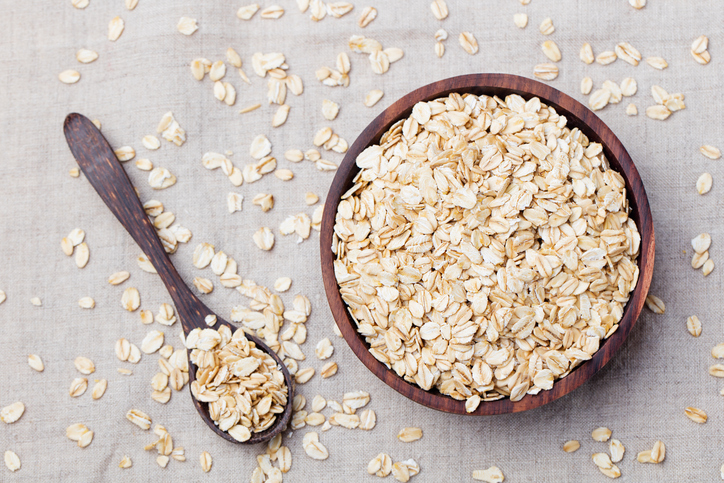
Take oats, for example. In the early 20th century, German physician Carl von Noorden successfully used oats to treat patients with diabetes.
According to Marie-Christine Simon, junior professor at the Institute of Nutritional and Food Science at the University of Bonn, “Today, effective medications are available to treat patients with diabetes. As a result, this method has been almost completely overlooked in recent decades.”
She and other food scientists at the University of Bonn have continued looking into the impact of oats on metabolic health and have more good news… especially for anyone struggling with high cholesterol…

«SPONSORED»
Two days of oatmeal lead to a dramatic drop in LDL cholesterol
Metabolic syndrome (MetS) is a cluster of conditions that includes high blood pressure, elevated blood sugar, high waist circumference (overweight) and high cholesterol.
When a person has at least 3 of these conditions, they meet the requirements for MetS, and their risks for developing type 2 diabetes and heart disease go way up. That’s why it’s so important to work at turning back the MetS conditions.
In a clinical trial led at the University of Bonn, researchers selected participants with metabolic syndrome who were divided into four groups across two separate intervention studies:
- One short-term 2-day study (following a diet that included 300 grams of oats per day).
- And one six-week study (with a moderate oat intake of 80 grams per day).
Compared with a control group following a calorie-restricted diet without oats, participants who followed a calorie-restricted diet with three oat-based meals per day for 2 days showed significant reductions in LDL cholesterol and total cholesterol, with benefits lasting up to 6 weeks.
Both intense and moderate oat-based diets increased the production of beneficial compounds by gut bacteria. However, the group that consumed higher amounts of oats for just two days saw the strongest cholesterol-lowering effects, including:
- LDL (“bad”) cholesterol lowered by 10%.
- Weight loss averaged about four pounds.
- Slight lowering of blood pressure.
LDL cholesterol — often called “bad cholesterol”— is particularly dangerous because it contributes to plaque buildup inside arteries.

«SPONSORED»
Oats have a powerful impact on the gut
The scientists say more research is needed, but believe these benefits may be linked to the relationship between oats and gut bacteria, as well as the well-known benefits of other compounds in oats, such as beta-glucans.
Beta-glucan is a soluble fiber that binds to bile acids, increases cholesterol excretion and reduces absorption of cholesterol in the intestines. That leaves less to build up in the arteries.
During the short-term oat intervention, the researchers also reported that certain bacteria increased. These microbes produced compounds, particularly phenolic metabolites, that help regulate cholesterol metabolism.
Another of these compounds, ferulic acid, has been shown to improve cholesterol processing and reduce harmful lipid levels.
In other words, oatmeal wasn’t just acting as food—it was reshaping the internal environment that controls how the body handles cholesterol.
To top it off, the scientists say that the beneficial gut bacteria also helped reduce substances linked to insulin resistance, a key factor in type 2 diabetes.
This suggests the benefits of oats extend beyond heart health to broader metabolic improvements. And though the 2-day intensive diet showed significant benefits, incorporating oats into your daily diet remains highly beneficial.
Sometimes, improving your heart health doesn’t require a complete lifestyle overhaul. It can begin with something as familiar and accessible as a bowl of oatmeal.
Sources:
Cholesterol-lowering effects of oats induced by microbially produced phenolic metabolites in metabolic syndrome: a randomized controlled trial – Nature Communications
Just two days of oatmeal cut bad cholesterol by 10% – ScienceDaily
This Fiber-Rich Breakfast Could Improve Your Cholesterol in Just 2 Days, According to a New Study — Food&Wine
Can Oats Lower Cholesterol in 2 Days? New Research & Recipe — American College of HealthCare Sciences